Jalebi Circles for Autistic Children — Printable
Printable Jalebi Circles social-distance chart — a warm Indian version of concentric circles that teaches autistic children who is close, who is a friend and who is a stranger.
'Who can hug me?' 'Who can I say hello to?' 'Who is a stranger?' Autistic children often need social distance taught explicitly — not left to instinct. This printable Jalebi Circles chart is a warm Indian version of concentric circles, using something every family knows to teach who is close, who is a friend and who is not.
Tap a ring to see the greetings that fit that circle.
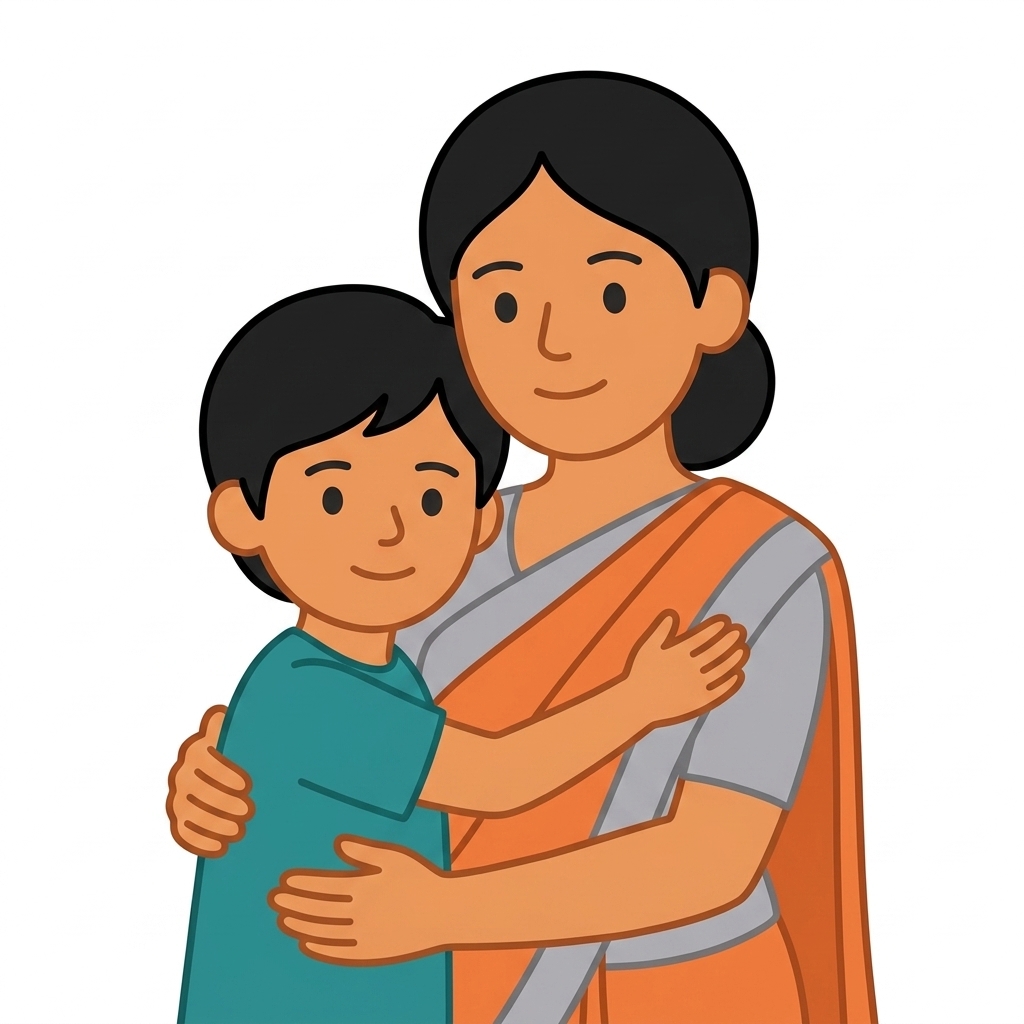
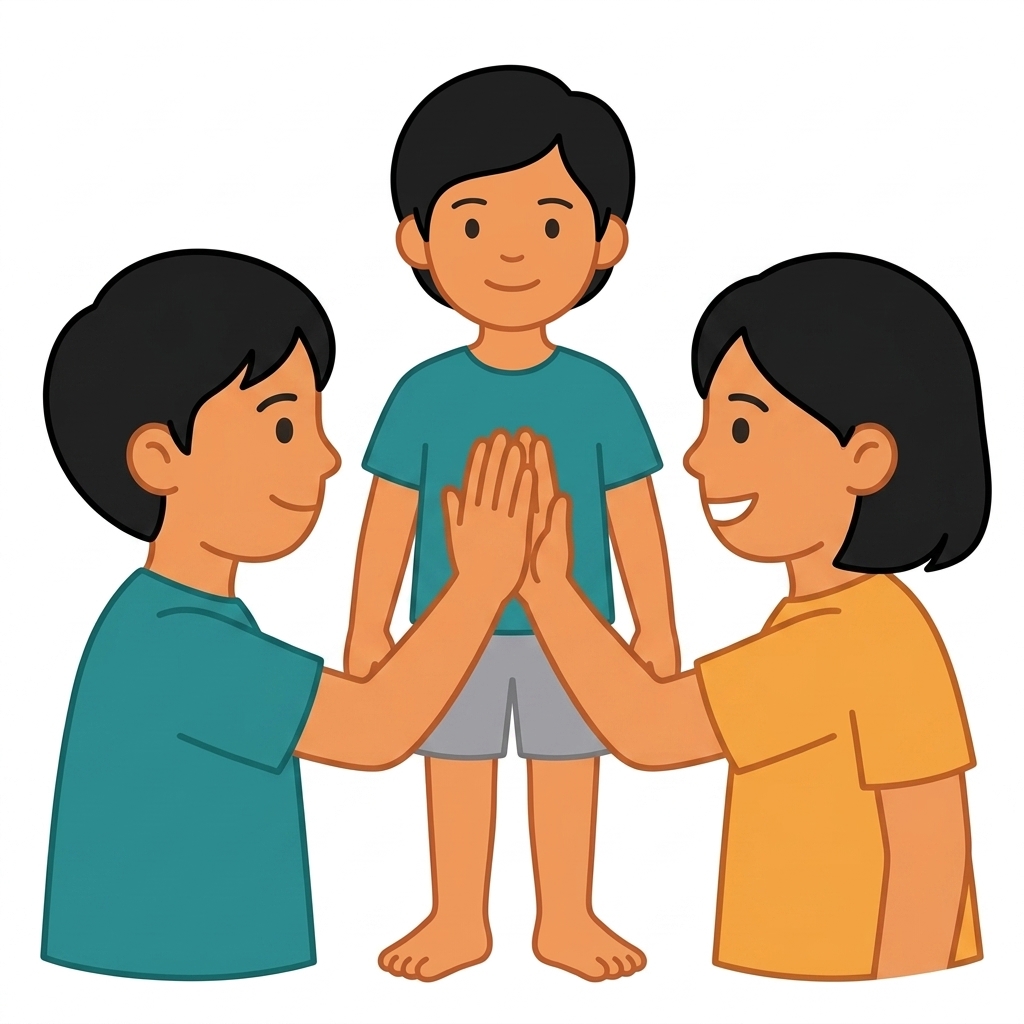
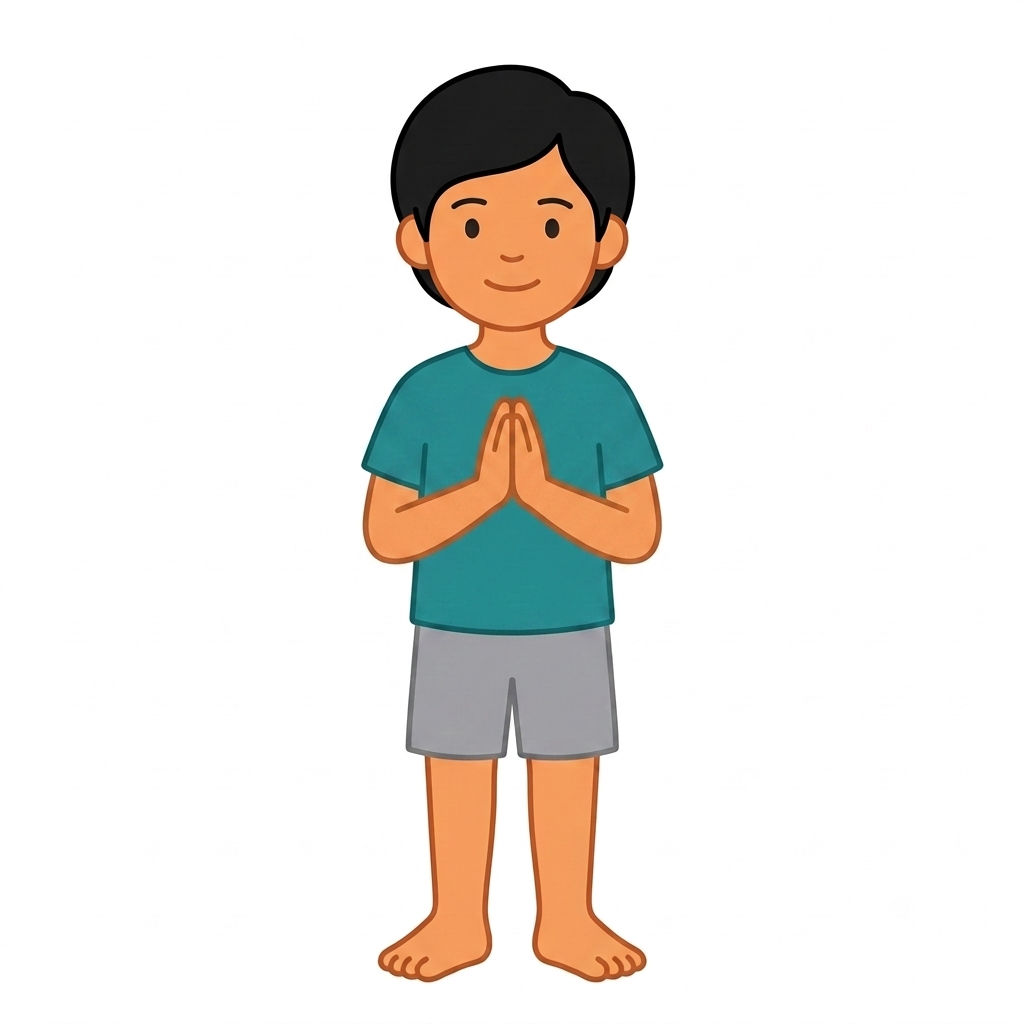
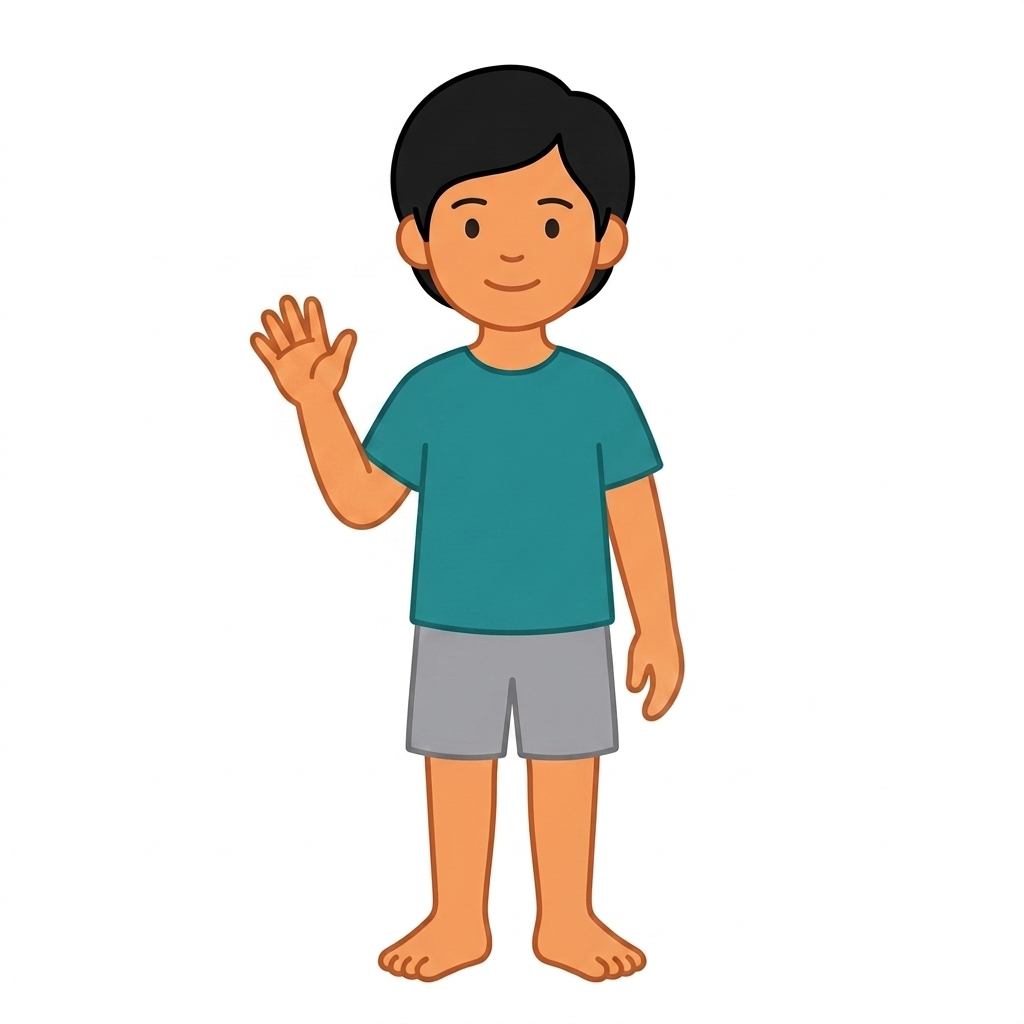
| Family | HugHigh-fiveNamasteWave |
| Friends | High-fiveNamasteWave |
| People we know | NamasteWave |
| Strangers | We don't touch. A wave from far away, only if Mummy/Papa says okay. |
For parents: People can move between circles over time — revisit together. The helper at home, the new teacher: place them together with your child.
Questions parents ask
How do I explain Jalebi Circles to my autistic child?
Start with the innermost circle — 'these are the people we can hug and cuddle': mummy, papa, dadi, dada. Add one ring at a time over weeks. Use real photos of real people wherever possible, so the concept is anchored to your child's actual life.
Why does an autistic child need this taught explicitly?
Most children pick up social distance instinctively from watching others. Many autistic children do not — they may hug a stranger warmly or refuse a hug from a close relative. Explicit, visual teaching keeps them safe in public and comfortable at home.
How do we handle relatives who feel offended?
Explain to family beforehand: 'We are teaching consent and safety, not rejecting you.' A namaste from a distance is a warm, culturally familiar greeting that respects both your child's boundaries and the relative's affection.