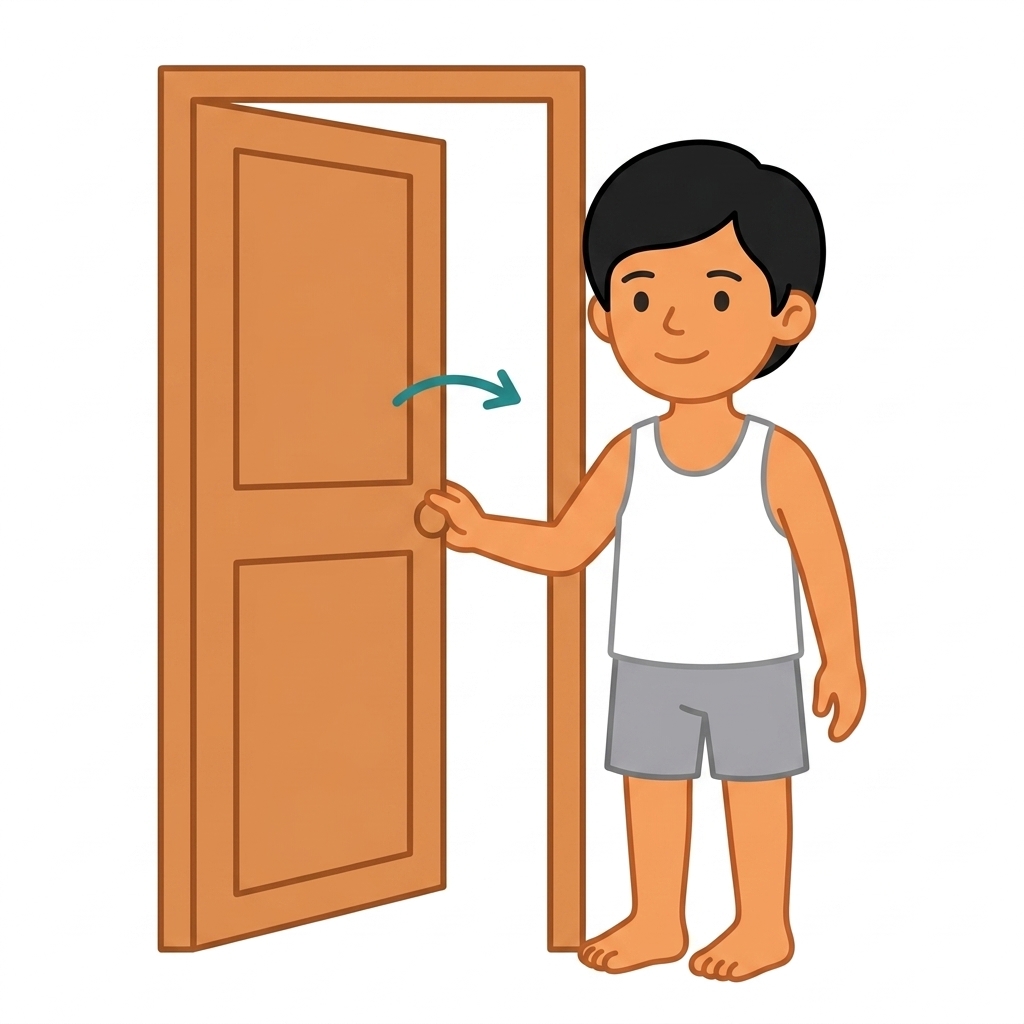
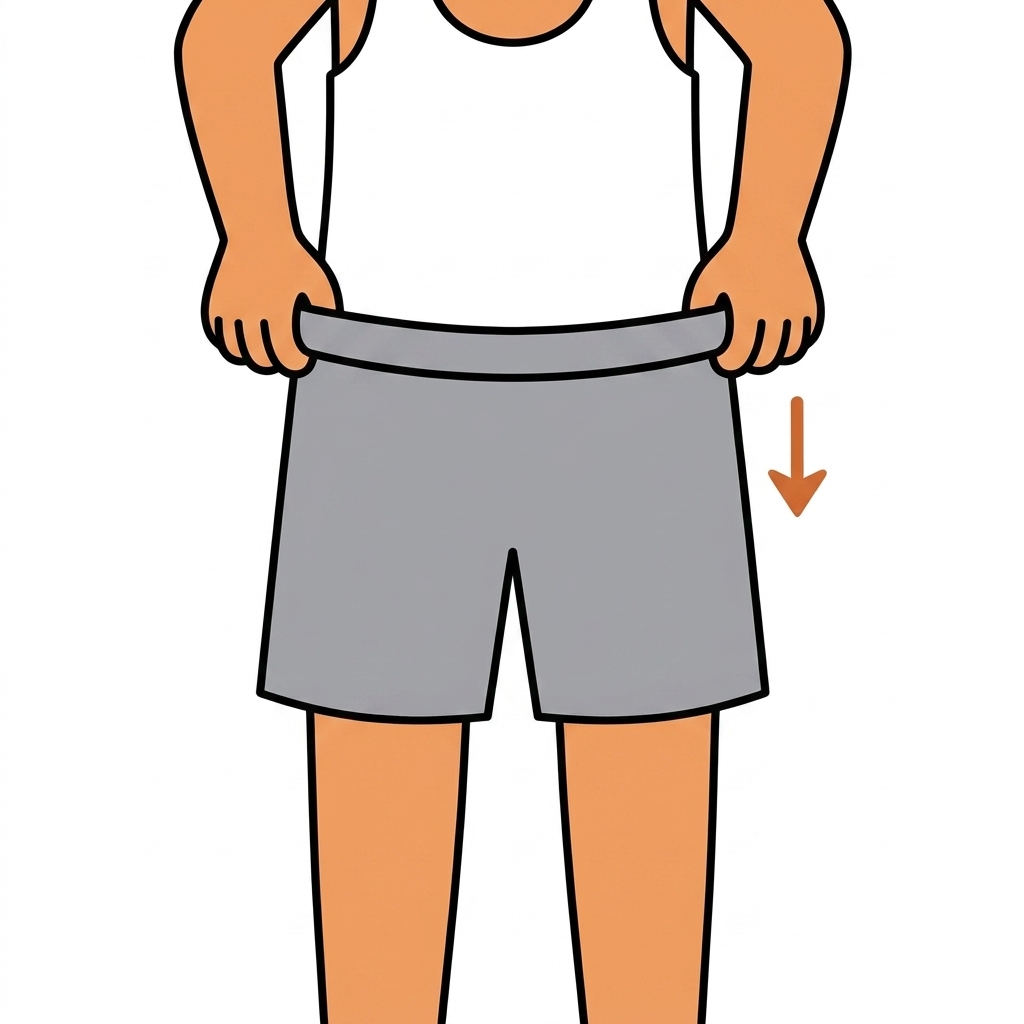
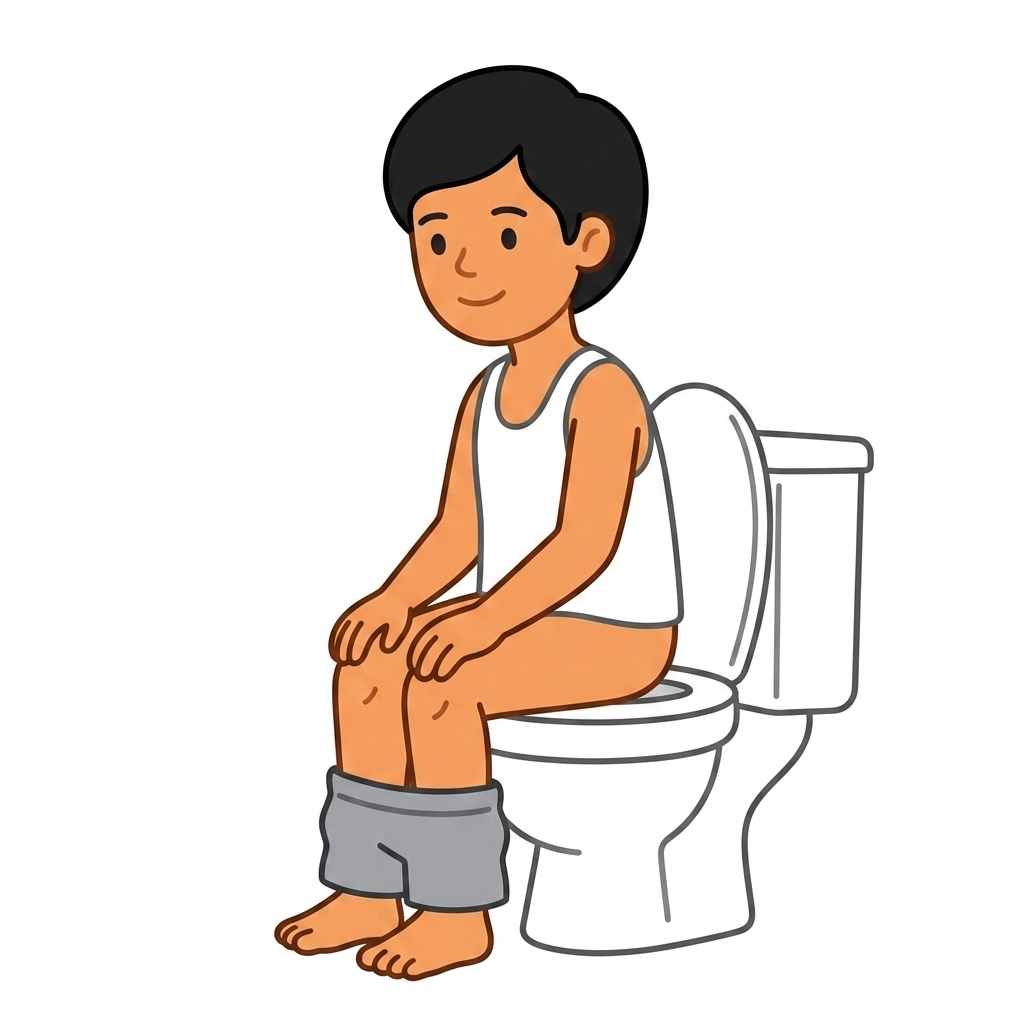
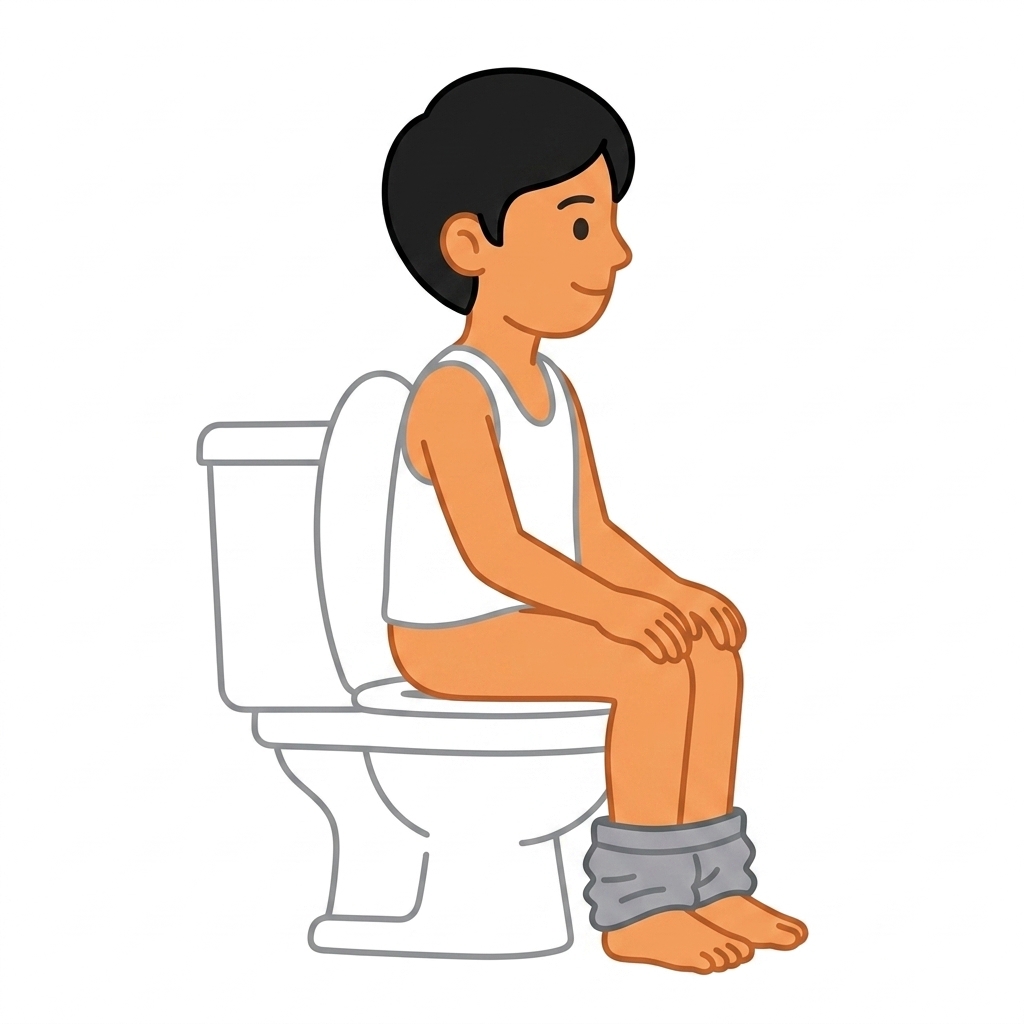
Before you start
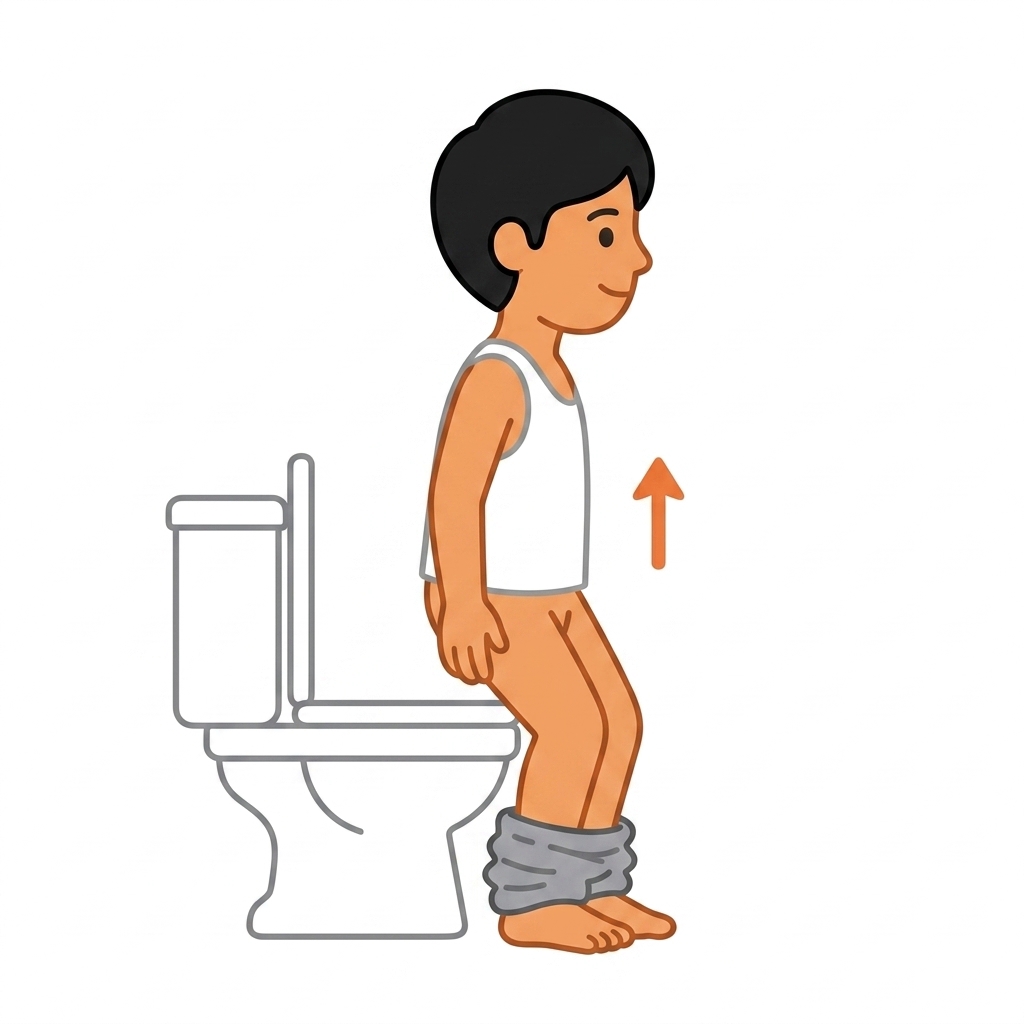
Many autistic children need the body to feel steady before the mind can relax — make sure the seat is stable and your child's feet touch a stool or the floor. A wobbly child can't relax. Start by visiting the bathroom at regular times — after waking, after meals, before bath — rather than waiting for your child to ask.
How to teach
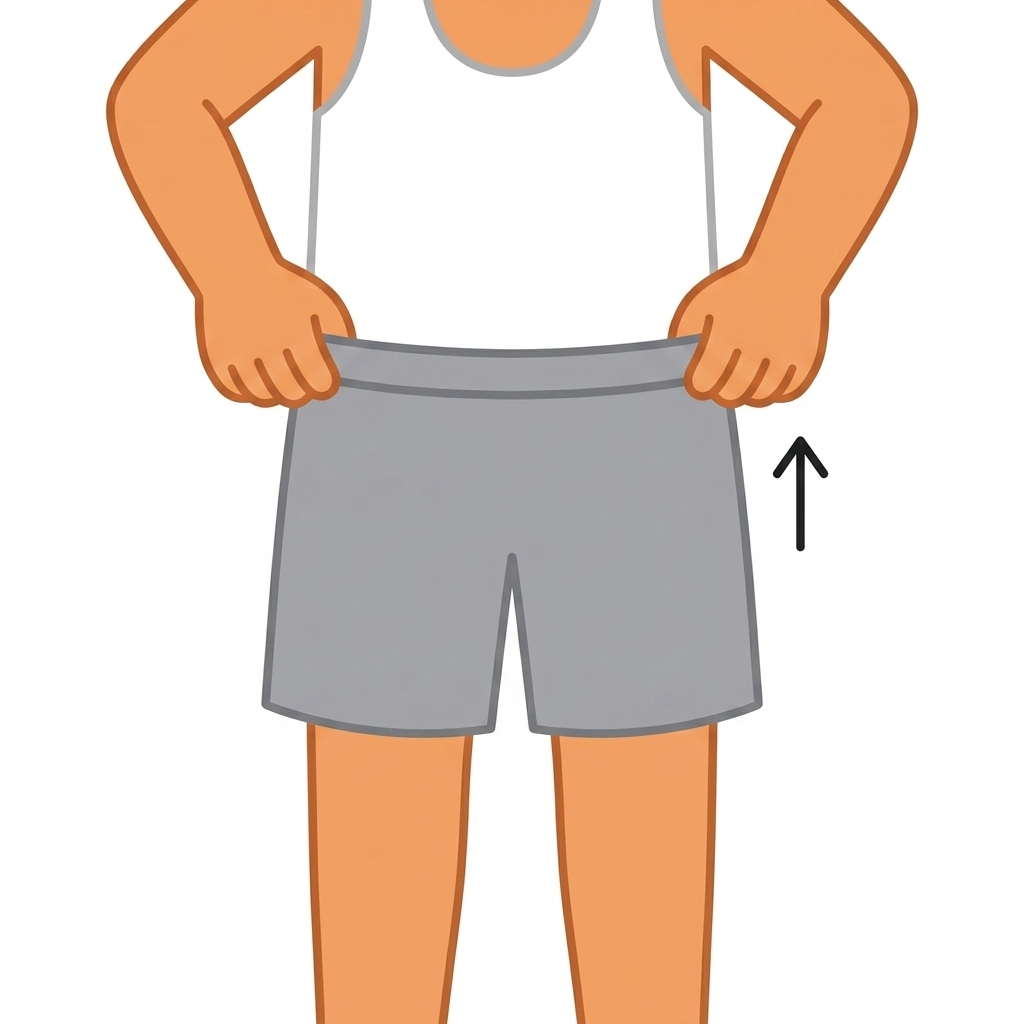
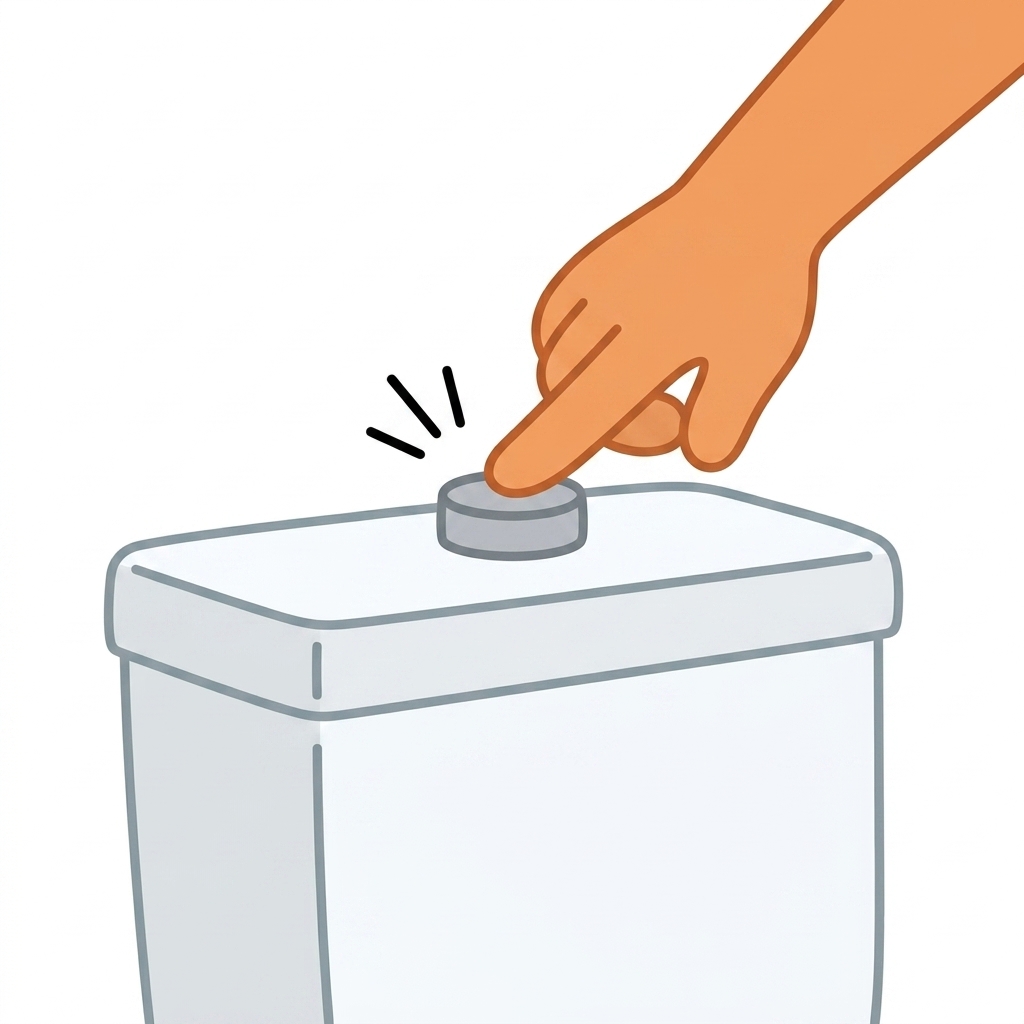
Try backward chaining: you do all the steps, but let your child do the very last step themselves. Next time, let them do the last two — working backwards. This way your child always finishes with success, and success is what makes them want to try again.
Celebrate each tick
Don't wait for the whole routine to be perfect. Every single step your child does is worth a smile, a clap, a high-five. Small wins, celebrated out loud, add up faster than you think.
Everywhere, not just here
Use simple, generic pictures so the skill travels. Practice at nani's or dadi's house too, not only at home. A skill your child can only do in one bathroom isn't finished yet — the goal is that it works everywhere.
Cleaning after the toilet
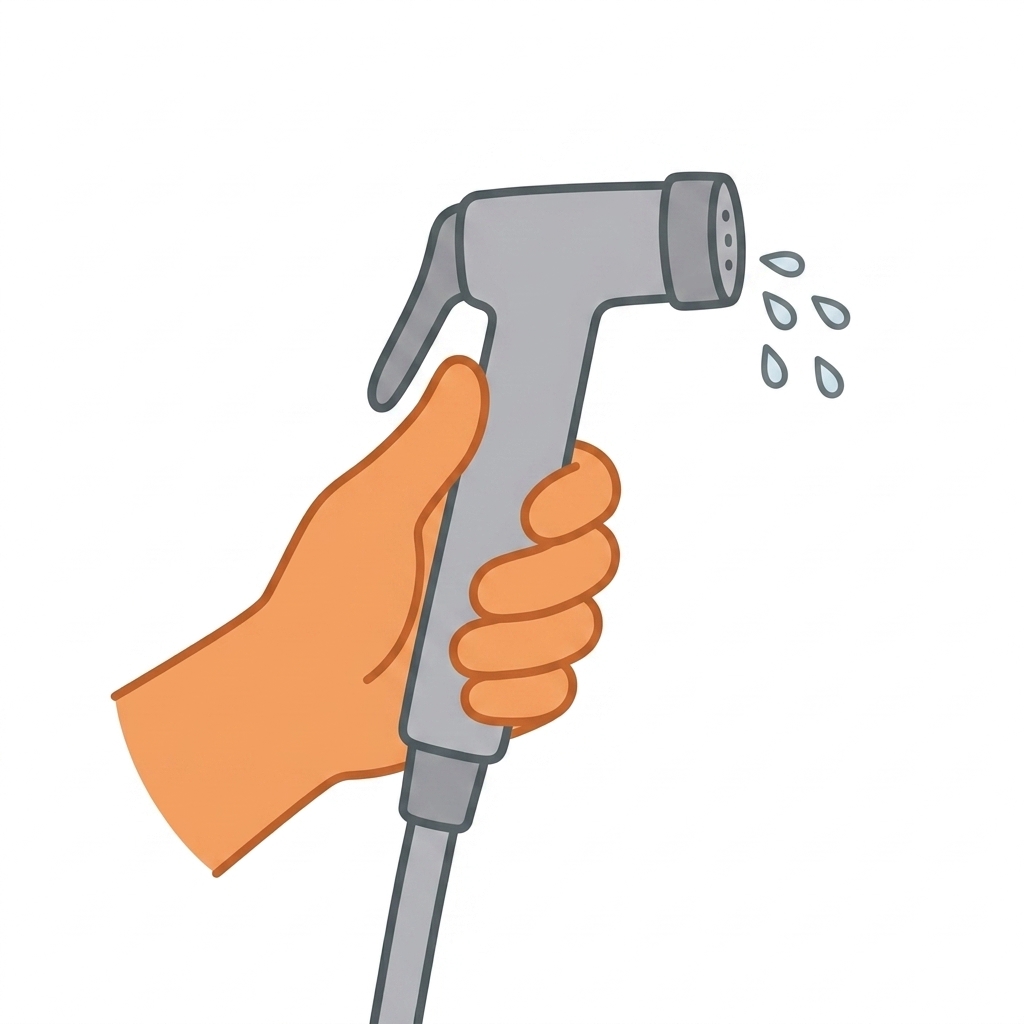
Every bathroom is different. Some children use toilet paper and wipe front-to-back. Others use a jet spray or a mug and bucket of water, then pat dry with a towel. Start by doing it for your child and narrating what you are doing; then let them try with your hand over theirs.
Accidents are normal
Accidents are part of learning, not disobedience. Keep a calm change of clothes nearby. Say 'next time we will try the bathroom' and move on quickly. Shame makes children hide accidents; calm makes them try again.