Before you start
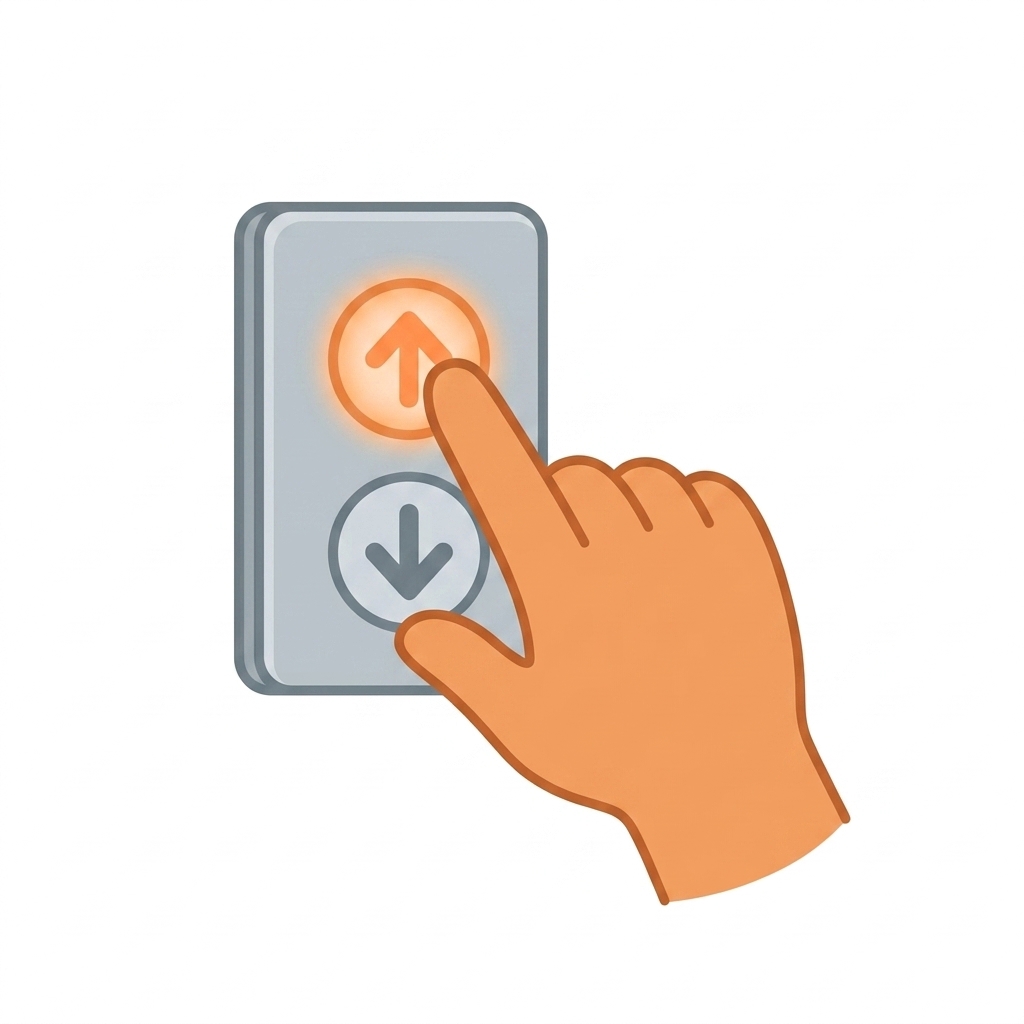
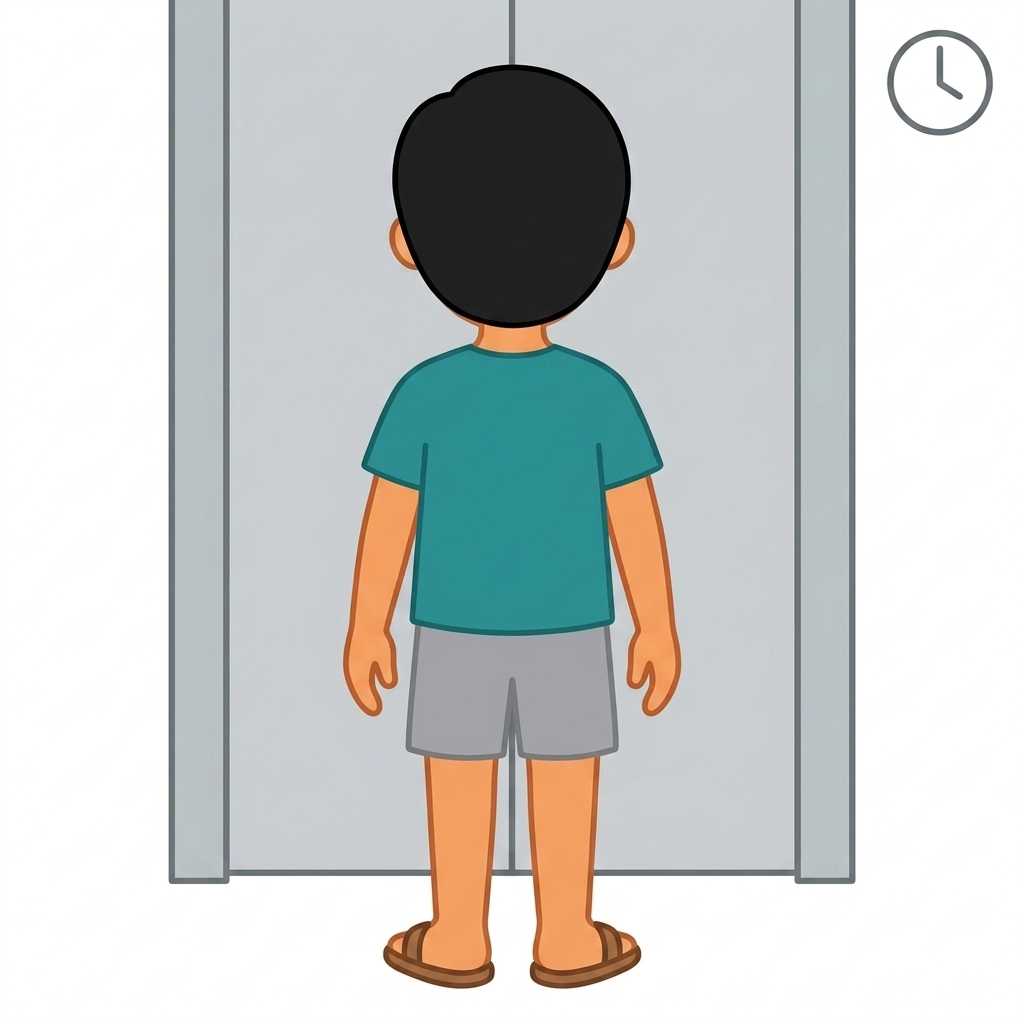
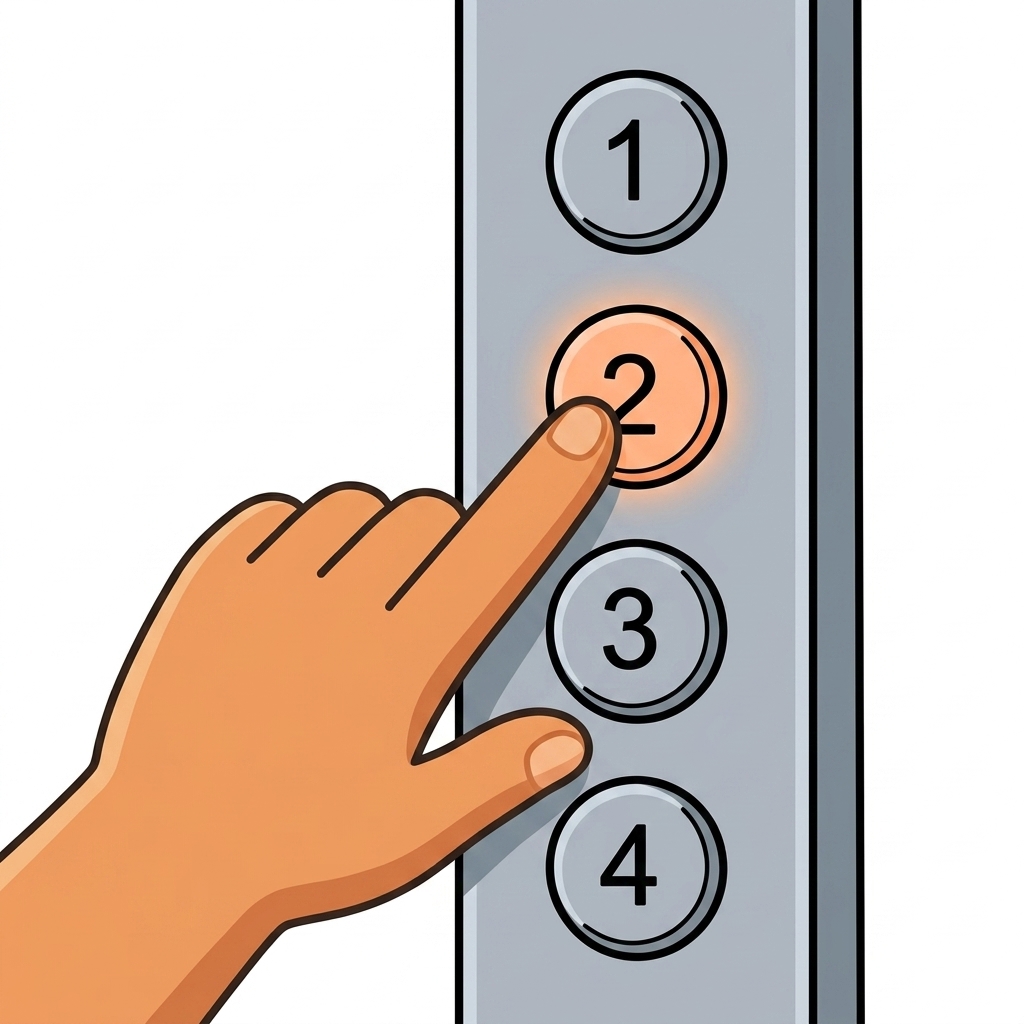
Pick a quiet time when the lift is not crowded. Visit the same lift several times just to press the call button and watch the doors open — no pressure to enter. Many autistic children are scared by the hum, the ding, or the sudden movement, so let them hear and feel it from outside first.
How to teach
Try backward chaining: you do all the steps, but let your child do the very last step themselves. Next time, let them do the last two — working backwards. This way your child always finishes with success, and success is what makes them want to try again.
Celebrate each tick
Don't wait for the whole routine to be perfect. Every single step your child does is worth a smile, a clap, a high-five. Small wins, celebrated out loud, add up faster than you think.
Everywhere, not just here
Use simple, generic pictures so the skill travels. Practice at nani's or dadi's house too, not only at home. A skill your child can only do in one bathroom isn't finished yet — the goal is that it works everywhere.
Sensory things to watch
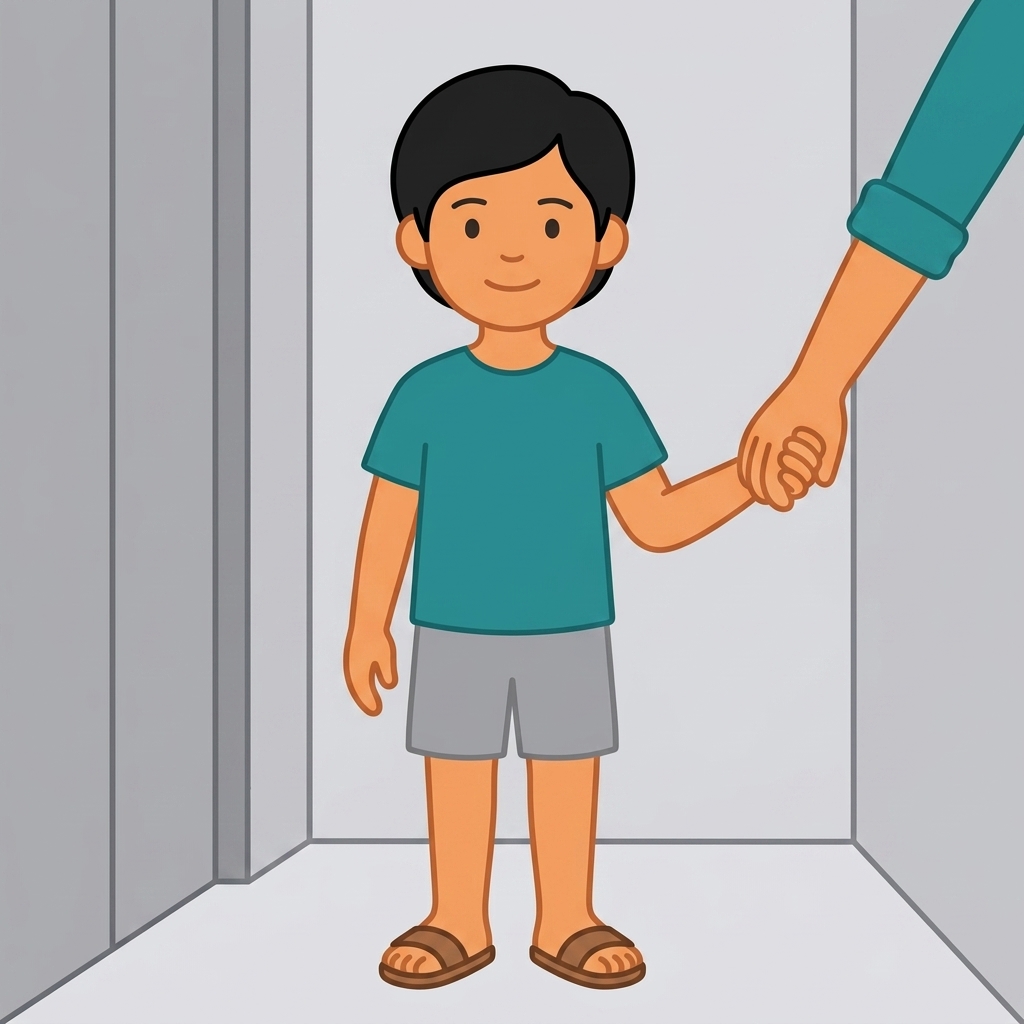
Lifts are small, noisy, and can smell of cleaning products or food from other flats. The lights may flicker and the floor can feel slightly different from the corridor. If your child is sensitive, bring a familiar object and keep the first rides very short.
Safety rules
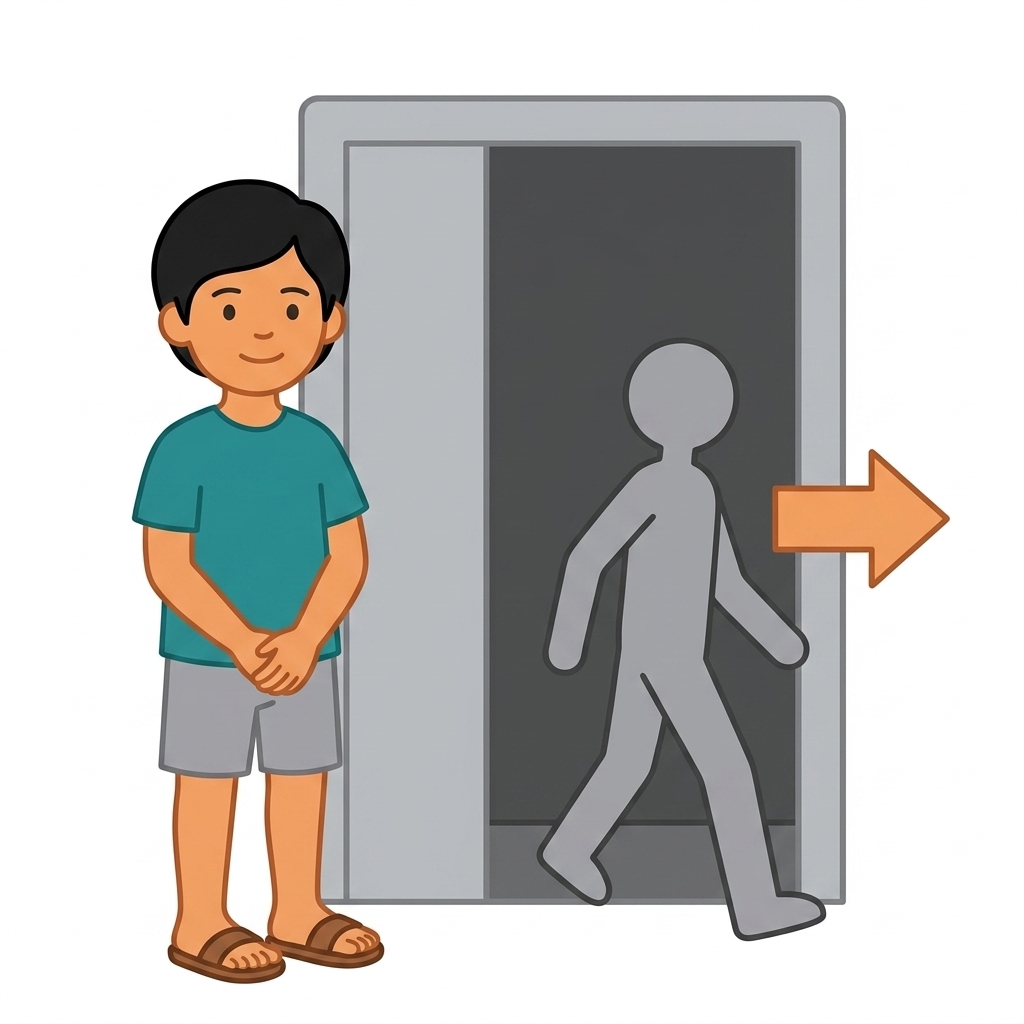
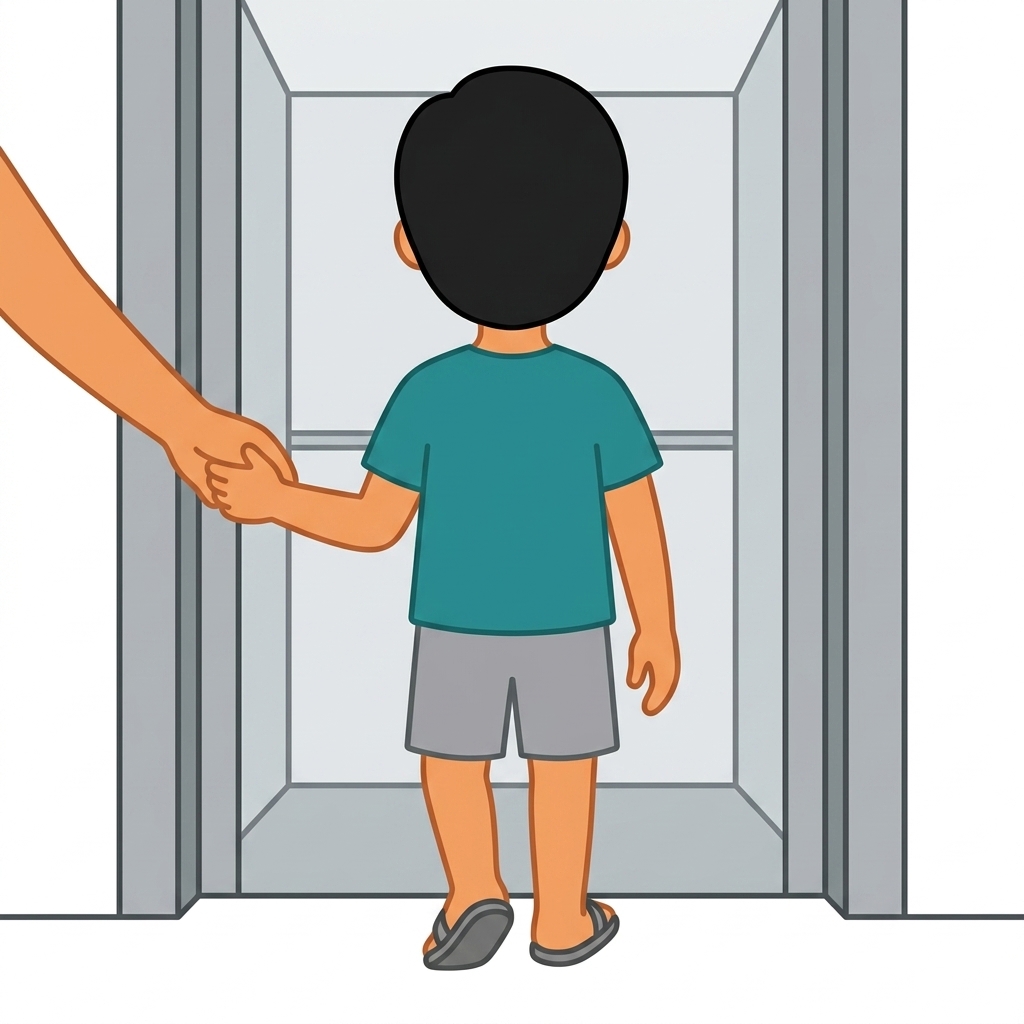
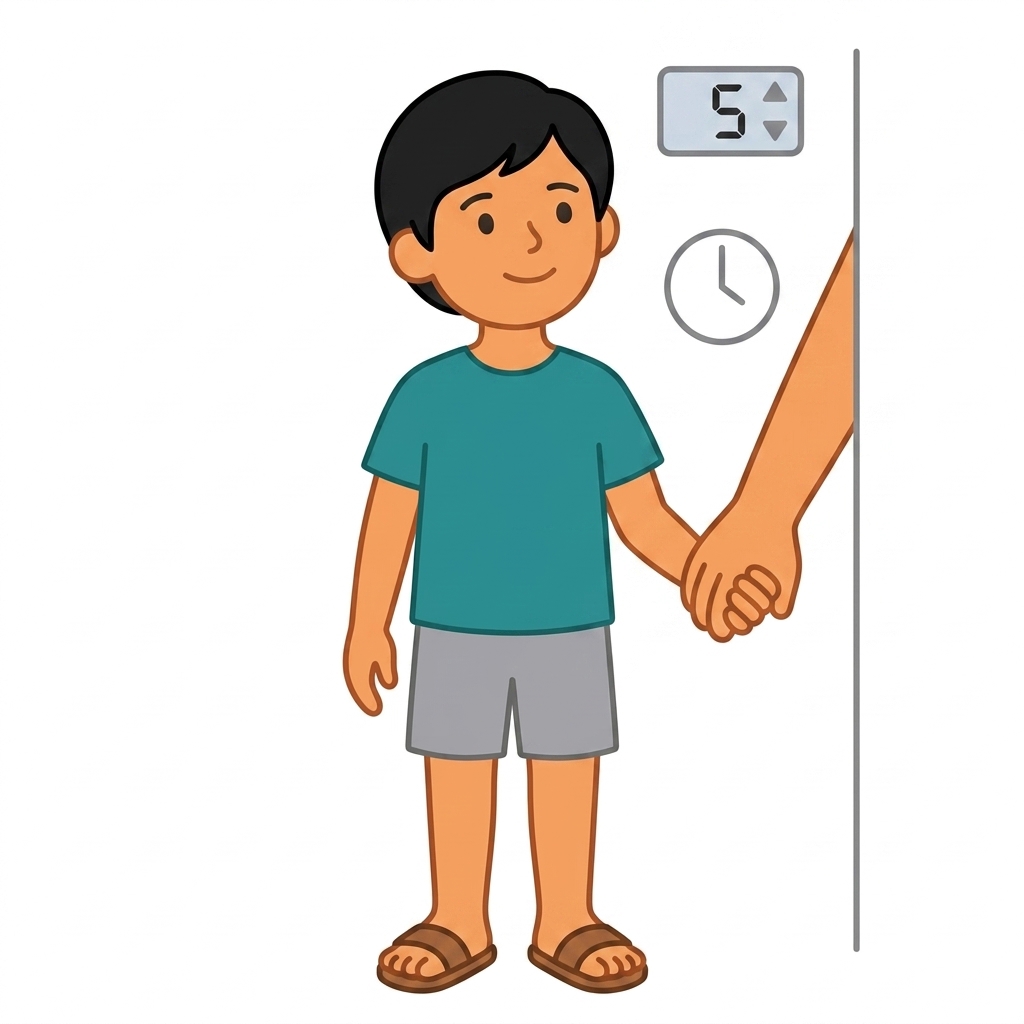
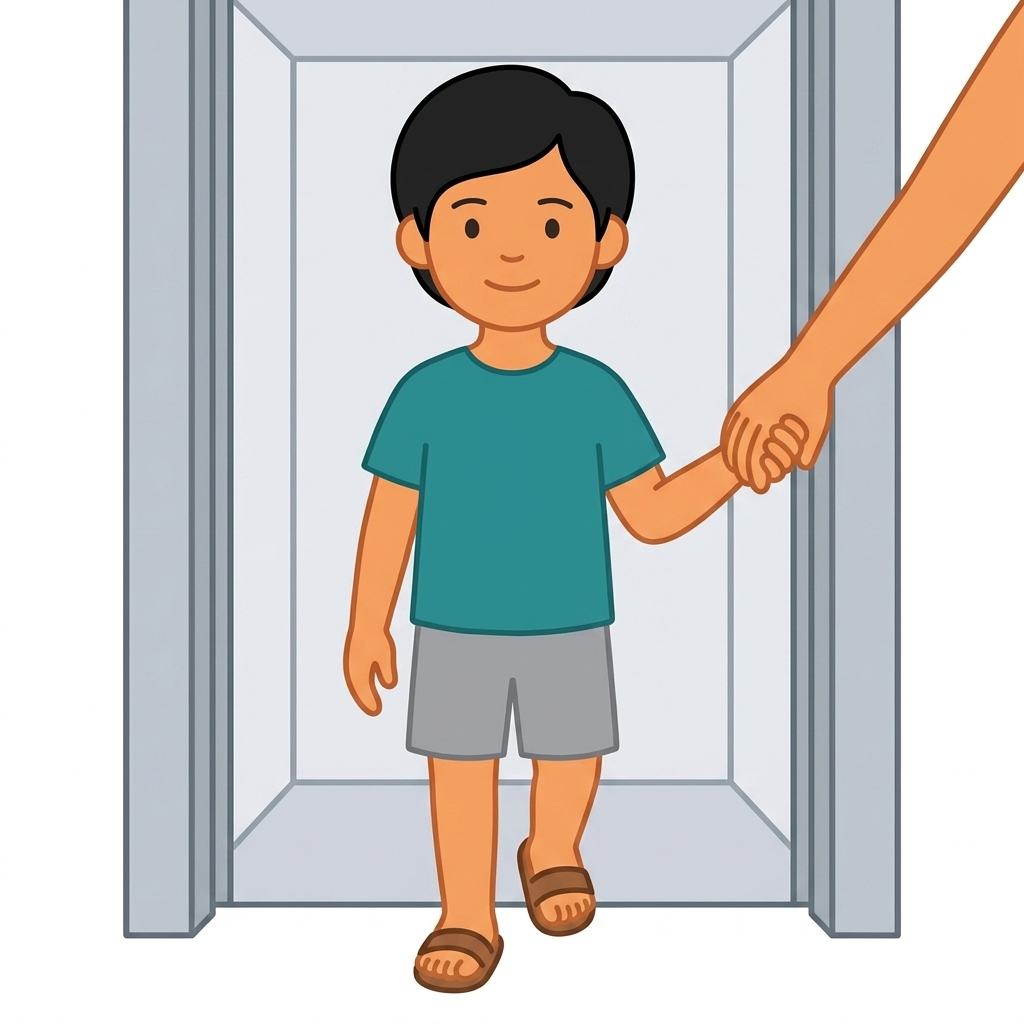
Never let your child run in or out of the lift. Teach them to keep hands and bags away from the closing doors, and to always look at the floor number before walking out. In case the lift stops between floors, press the alarm button and wait for help — do not try to open the doors yourself.