Before you start
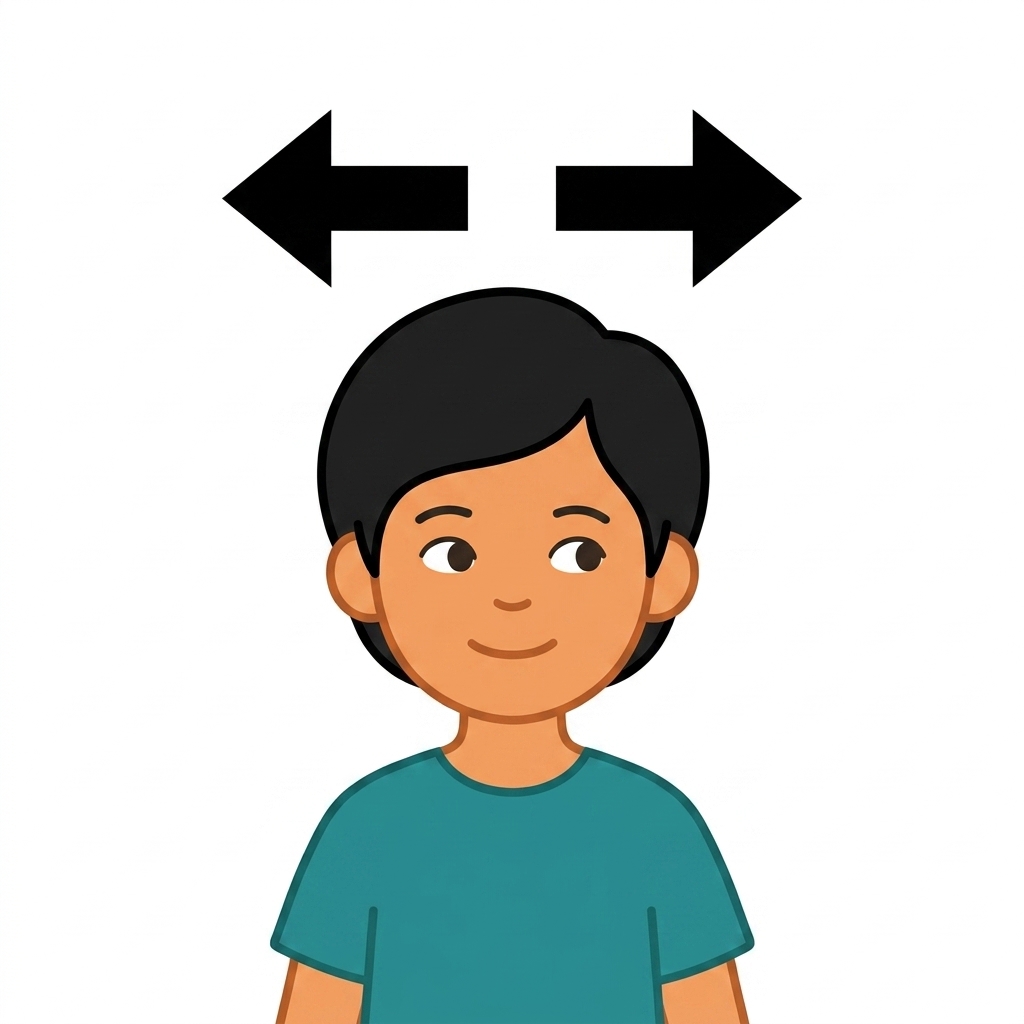
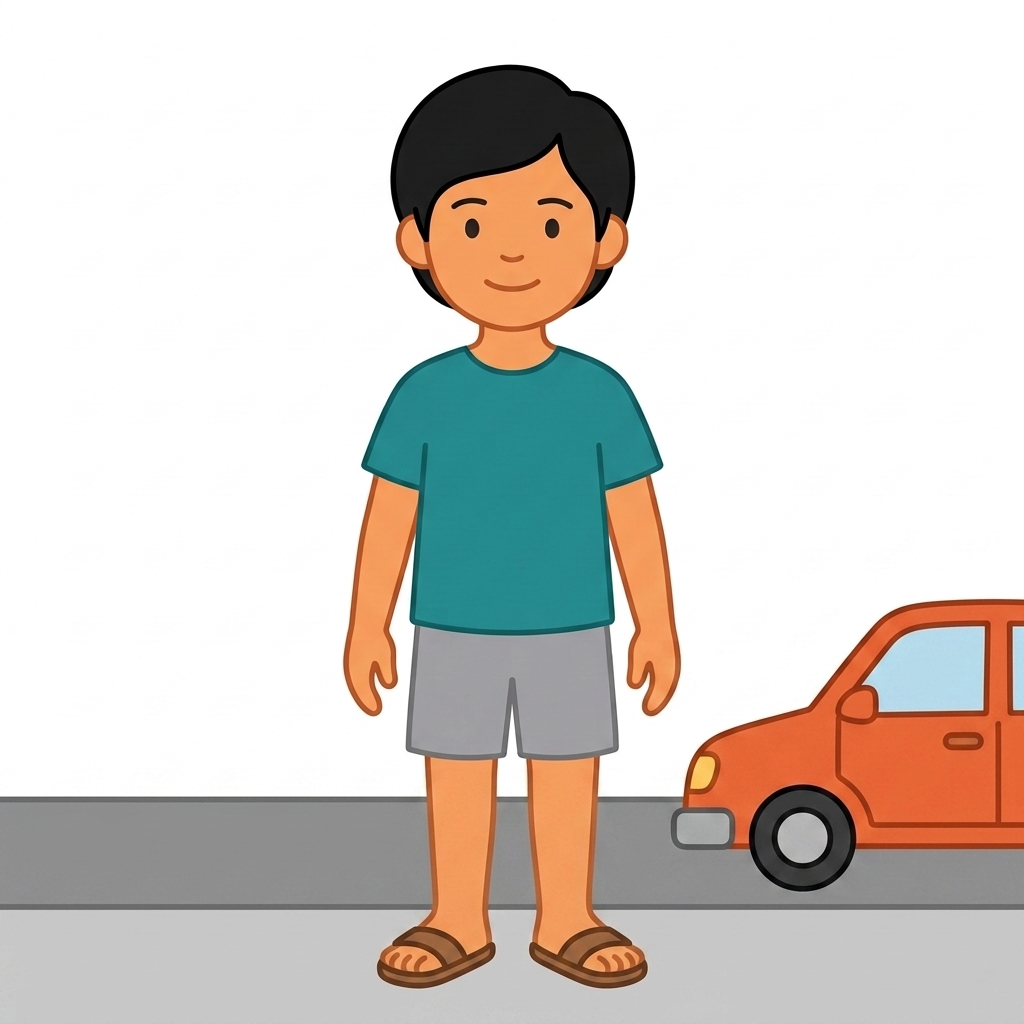
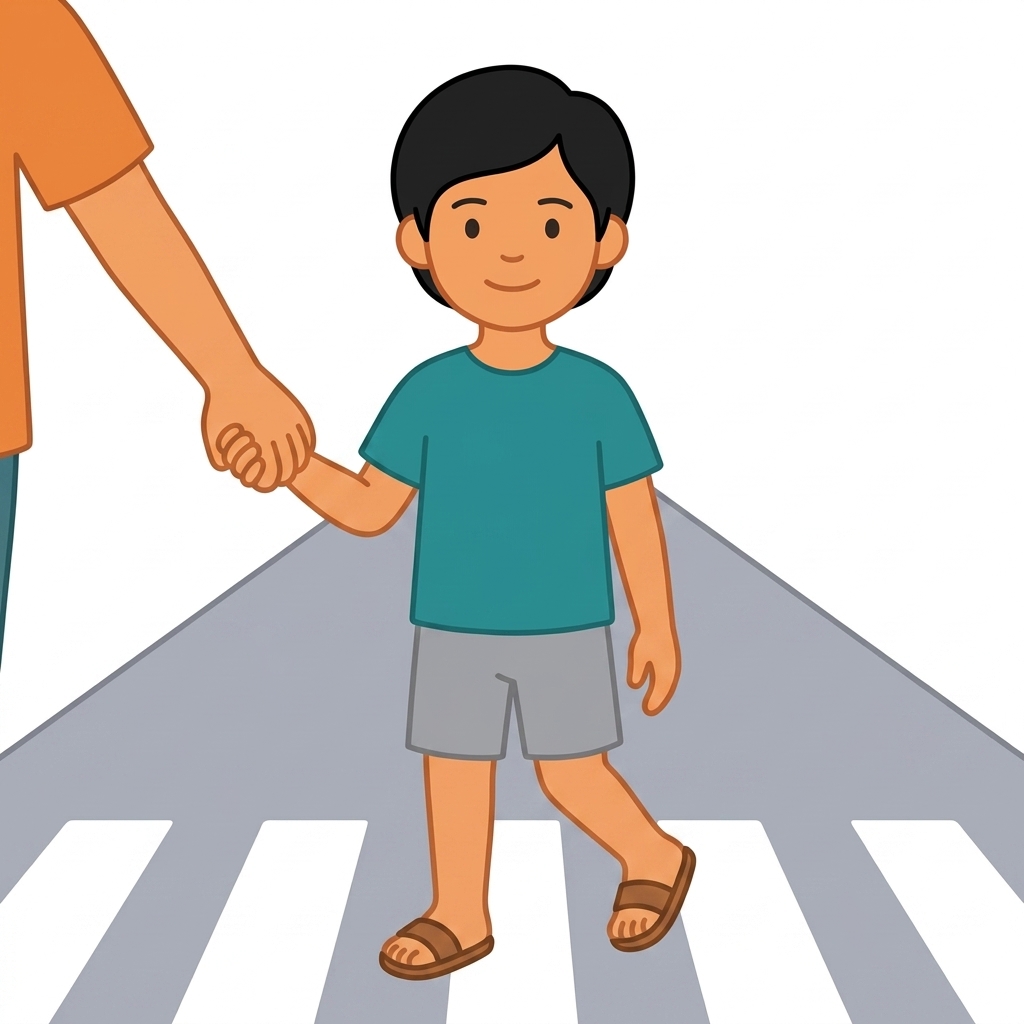
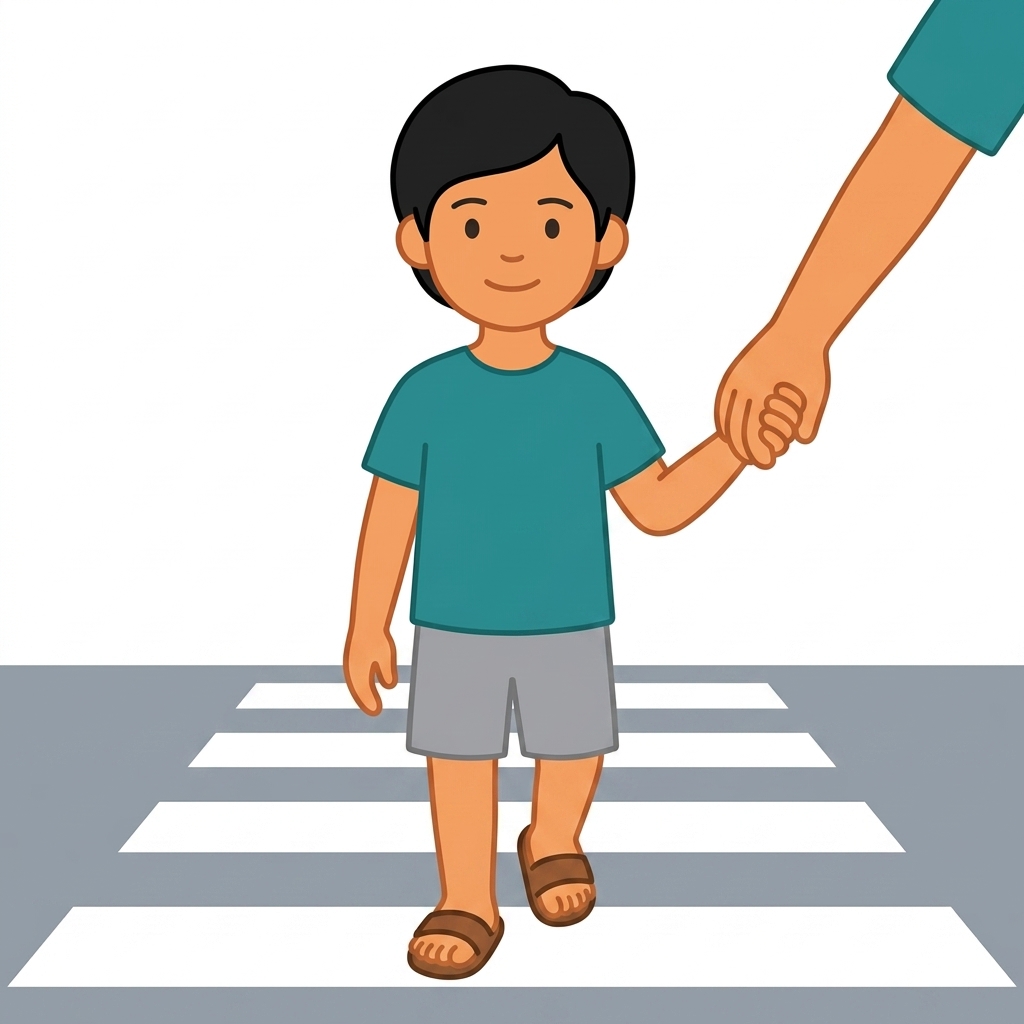
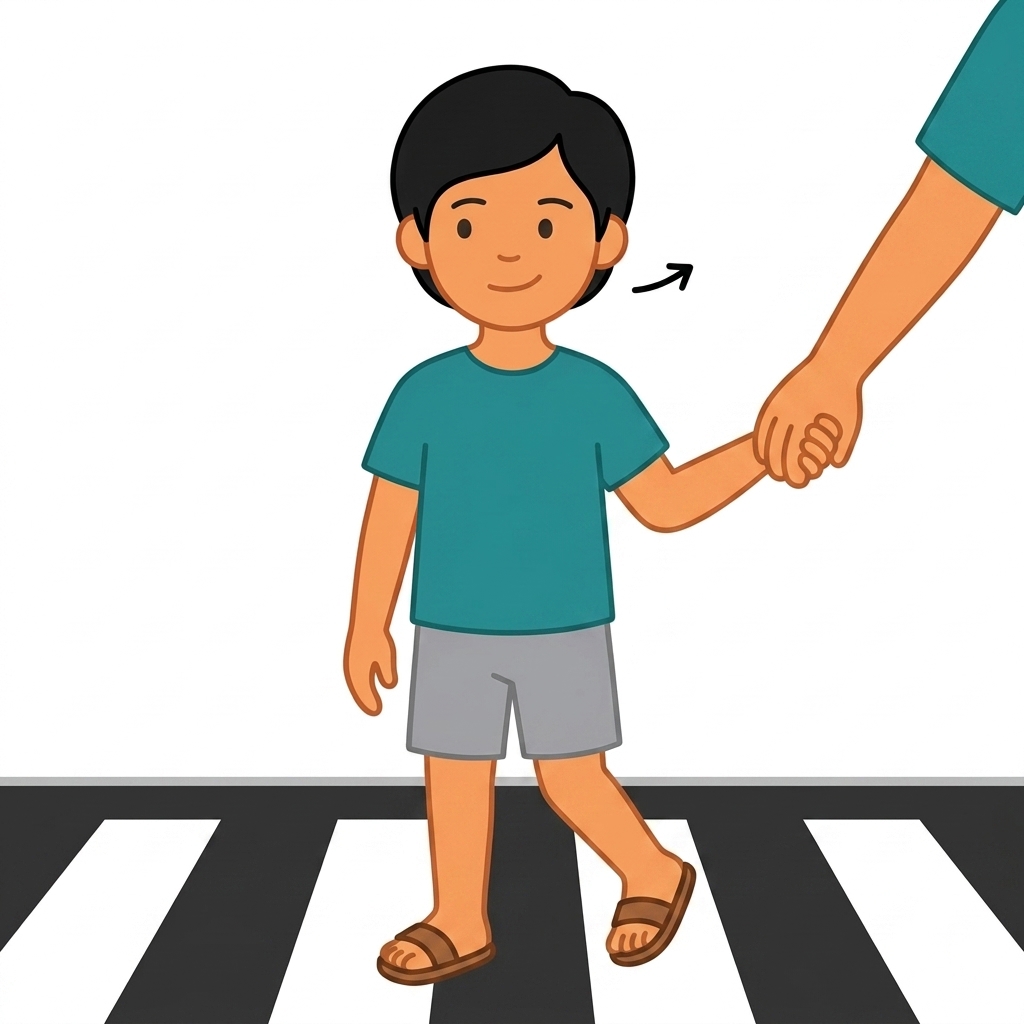
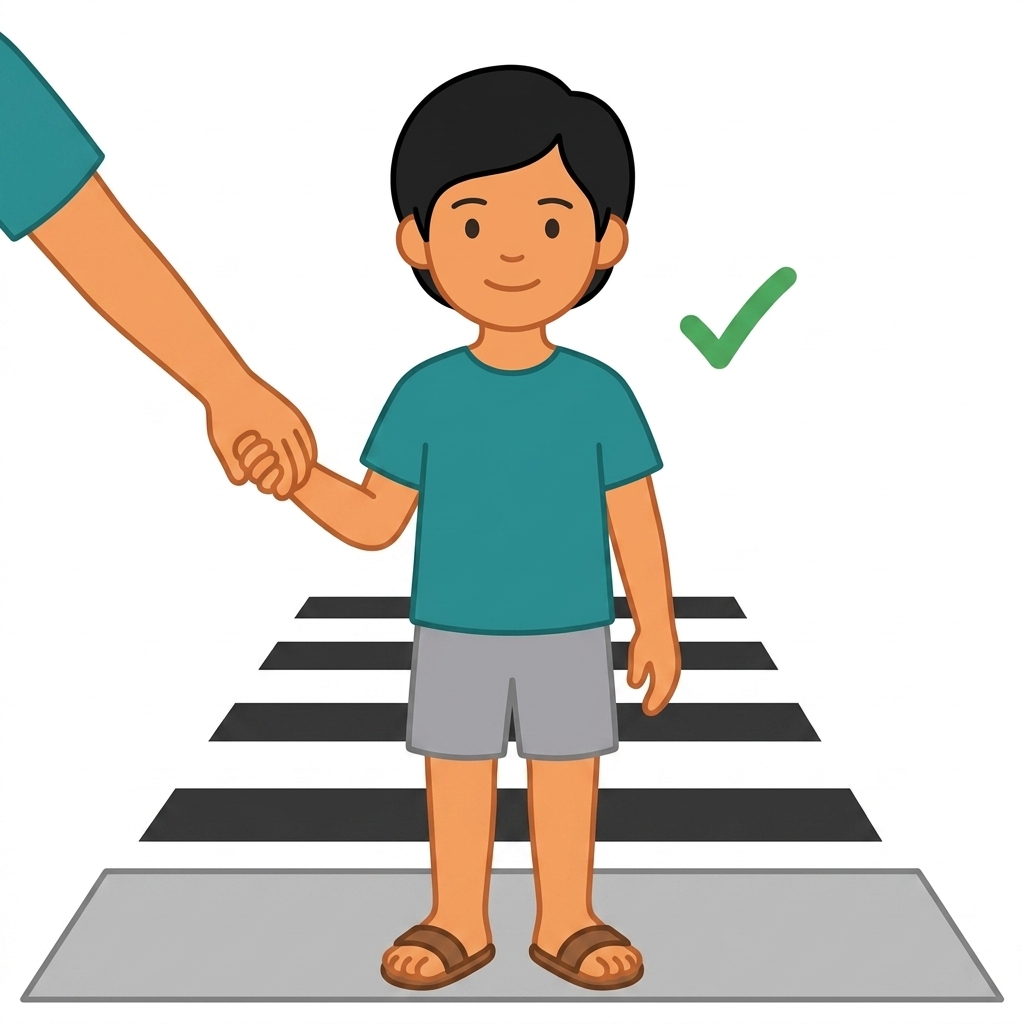
Start on a quiet residential street or a park path with no traffic. Autistic children learn road safety fastest when the same words happen in the same order every time. Most Indian roads have no pedestrian signal, so the main skill is judging a safe gap in traffic — practice that first. Begin by holding your child's hand and narrating every step out loud.
How to teach
Try backward chaining: you do all the steps, but let your child do the very last step themselves. Next time, let them do the last two — working backwards. This way your child always finishes with success, and success is what makes them want to try again.
Celebrate each tick
Don't wait for the whole routine to be perfect. Every single step your child does is worth a smile, a clap, a high-five. Small wins, celebrated out loud, add up faster than you think.
Everywhere, not just here
Use simple, generic pictures so the skill travels. Practice at nani's or dadi's house too, not only at home. A skill your child can only do in one bathroom isn't finished yet — the goal is that it works everywhere.
When there is a signal
Only some big junctions have a pedestrian signal. Where there is one: red means stop and wait, green means look then walk, yellow means get ready to stop. Even on green, still look — vehicles here often jump the signal or turn across the crossing.
Watch for two-wheelers
In India many roads have bikes, autos and cycles. They may turn suddenly or use the wrong side. Remind your child to keep looking, even when they are halfway across.